The Evolution of Indian Politics: From Independence to Modern-Day Governance
India’s political journey is one of the most fascinating transformations in modern history. From a colonized nation fighting for freedom to the world’s largest democracy, the evolution of Indian politics reflects resilience, diversity, and constant adaptation. This journey spans several phases, each shaping the governance structure and political culture seen today.
The Foundation: The Freedom Struggle and Independence (Pre-1947)
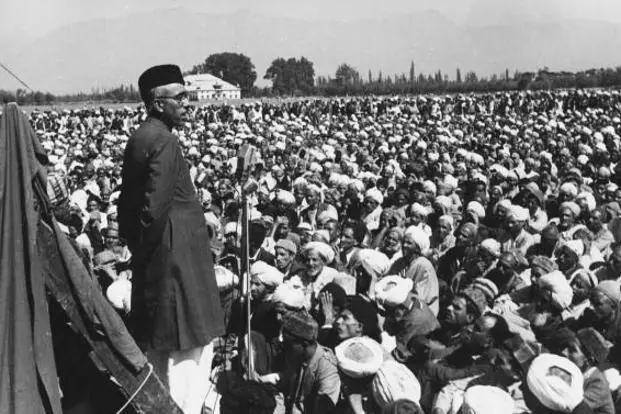
Indian politics has its roots in the long and intense struggle against British colonial rule. Leaders like Mahatma Gandhi, Jawaharlal Nehru, and Sardar Vallabhbhai Patel played pivotal roles in mobilizing the masses.
The Indian Independence Movement was not just a fight for freedom but also a platform for developing political ideologies such as democracy, secularism, and social justice. These ideals later became the foundation of the Indian Constitution.
The Nehruvian Era: Building a Democratic Framework (1947–1964)
After independence in 1947, India faced enormous challenges—partition, economic instability, and social divisions. Under the leadership of Jawaharlal Nehru, the country adopted a parliamentary democratic system.
Key features of this period included:
- Establishment of democratic institutions
- Emphasis on secularism and socialism
- Launch of Five-Year Plans for economic development
The dominance of the Indian National Congress defined this era, as it became the central force in shaping early governance.
The Era of Political Consolidation and Crisis (1964–1980s)
Following Nehru’s death, Indian politics entered a phase of transition and uncertainty. Leaders like Indira Gandhi emerged as powerful figures.
One of the most controversial moments in Indian political history was the The Emergency, when democratic rights were suspended. This period highlighted both the strength and vulnerability of India’s democratic system.
The rise of regional parties and political opposition during this time marked the beginning of a shift away from one-party dominance.
The Coalition Era and Economic Reforms (1990s–2000s)
The 1990s marked a turning point in Indian politics. The decline of single-party dominance led to coalition governments, requiring collaboration among multiple parties.
At the same time, economic reforms introduced under P. V. Narasimha Rao and Manmohan Singh transformed India’s economy. Liberalization, privatization, and globalization opened the country to international markets.
This phase also saw the rise of the Bharatiya Janata Party as a major political force, reshaping the national political landscape.
Modern Indian Politics: Strong Leadership and Digital Governance (2010s–Present)
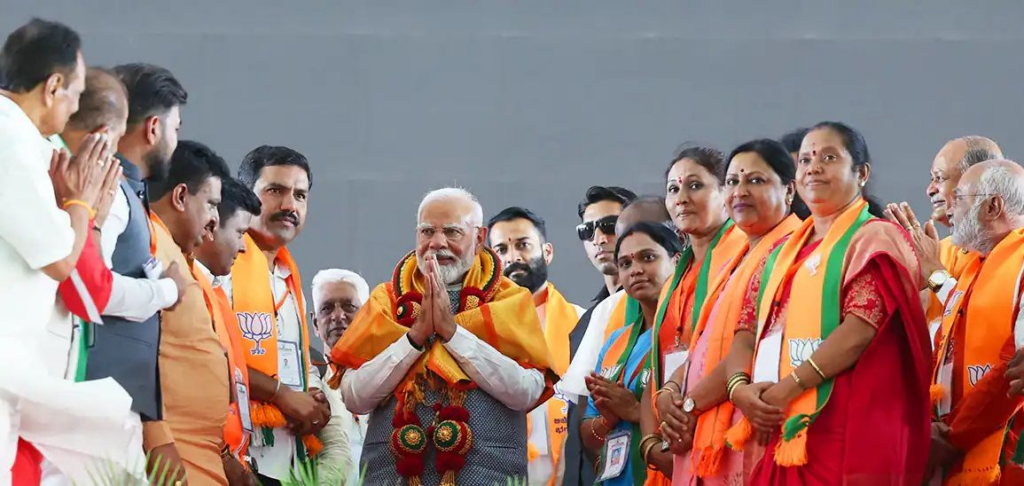
In recent years, Indian politics has entered a new phase characterized by strong central leadership and technological integration. Under leaders like Narendra Modi, governance has focused on development, national security, and digital transformation.
Key trends include:
- Expansion of digital governance and services
- Emphasis on infrastructure and economic growth
- Increased role of social media in political communication
At the same time, debates around federalism, freedom of expression, and institutional independence continue to shape political discourse.
The Role of Democracy and the Future Ahead
India’s political evolution is deeply tied to its democratic values. Despite challenges such as political polarization, corruption, and socio-economic inequality, the country has maintained a robust electoral system and active civic participation.
Looking ahead, the future of Indian politics will likely be influenced by:
- Youth participation and demographic shifts
- Technological advancements in governance
- Global geopolitical dynamics
Conclusion
From the ideals of the Indian Independence Movement to the complexities of modern governance, Indian politics has undergone a remarkable transformation. It is a story of continuity and change—where democratic principles remain constant, even as political strategies and leadership styles evolve.
As India moves forward, its political system will continue to adapt, reflecting the aspirations of over a billion citizens while navigating the challenges of a rapidly changing world.