Regional Politics vs National Power: How States Shape India’s Political Landscape
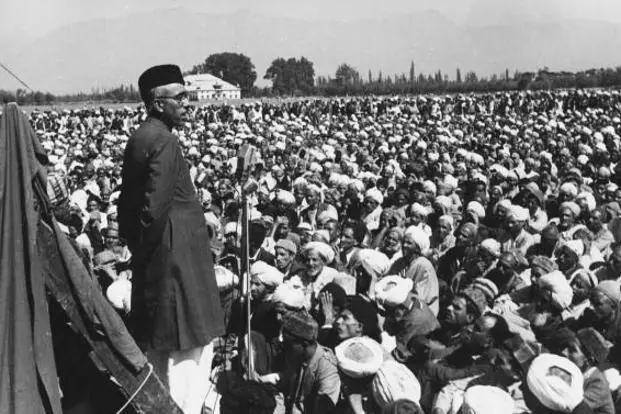
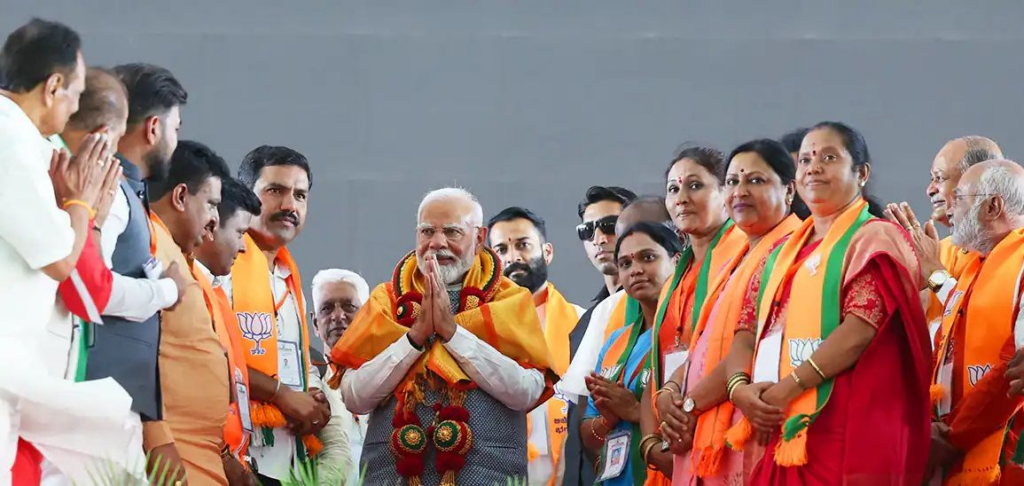
India’s political system is often described as a delicate balancing act between national authority and regional aspirations. While the central government plays a crucial role in shaping the country’s overall direction, state governments and regional forces significantly influence how policies are designed and implemented. This dynamic relationship is rooted in India’s federal structure and has evolved over decades through coalition politics and the growing strength of regional parties.
Understanding India’s Federal Structure
India follows a federal system as defined in the Constitution, where powers are divided between the Union and the states. The central government controls areas such as defense, foreign affairs, and currency, while states are responsible for sectors like public health, law and order, and agriculture.
This distribution allows states to respond effectively to local needs. For instance, states like Kerala have excelled in healthcare and education, while Gujarat has focused on industrial growth. Such diversity highlights how regional governance models contribute to the broader national framework.
The Growing Power of State Governments
State governments are no longer just administrative units; they are powerful political entities. Chief Ministers often emerge as influential leaders with national visibility, shaping public discourse and policy debates.
States also act as testing grounds for innovative policies. Welfare schemes, digital governance initiatives, and infrastructure projects often originate at the state level before being adopted nationally. This makes states crucial drivers of policy innovation and governance reform.
Rise of Regional Parties
Regional parties have transformed India’s political landscape by focusing on local identity, culture, and issues. Parties like the Dravida Munnetra Kazhagam and the Biju Janata Dal have built strong voter bases by addressing state-specific concerns.
These parties play a key role in ensuring that regional voices are represented at the national level. Their influence often extends beyond their states, especially during national elections and policy negotiations.
Coalition Politics: The Era of Alliances
Since the 1990s, coalition governments have become a defining feature of Indian politics. National parties such as the Bharatiya Janata Party and the Indian National Congress have frequently relied on alliances with regional parties to form governments.
Coalition politics encourages consensus-building and negotiation. While it can sometimes slow decision-making, it ensures that multiple perspectives are included in governance. Regional parties often act as kingmakers, influencing key decisions and policies at the national level.
Regional Influence on National Policies
Regional politics directly impacts national policymaking. Issues such as language, resource distribution, and economic development often originate at the state level but require national attention.
For example, debates over agricultural reforms, reservation policies, or federal funding frequently involve strong participation from state governments. This interplay ensures that national policies are more inclusive and reflective of India’s diversity.
Challenges in Balancing Power
Despite its strengths, India’s federal system faces challenges. Conflicts between the central and state governments over jurisdiction, financial allocation, and political differences can create friction.
At times, strong central leadership may overshadow regional autonomy, while excessive regionalism can lead to fragmented policymaking. Maintaining a balance between unity and diversity remains an ongoing challenge for Indian democracy.
Conclusion
India’s political landscape is shaped by a continuous interaction between regional power and national authority. State governments and regional parties play a vital role in representing local interests, driving innovation, and influencing national decisions.
Coalition politics has further strengthened this dynamic by ensuring that no single entity dominates the political space. As India continues to grow and evolve, the balance between central leadership and regional influence will remain crucial in shaping its democratic future.