India’s Digital Transformation: How Technology is Reshaping Governance and Daily Life
India is undergoing one of the most significant digital transformations in the world today. From seamless online payments to digitized government services, technology is redefining how citizens interact with institutions and manage their daily lives. Initiatives like Digital India, the rapid growth of Unified Payments Interface (UPI), and the adoption of artificial intelligence are pushing the country toward a more connected, efficient, and inclusive future.
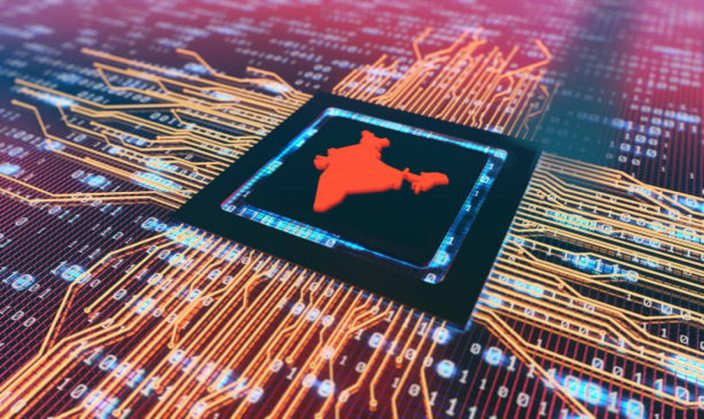
The Vision of Digital India
Launched in 2015, Digital India aims to transform India into a digitally empowered society and knowledge economy. The program focuses on three core areas:
- Digital infrastructure as a utility for every citizen
- Governance and services on demand
- Digital empowerment of citizens
From expanding broadband connectivity in rural areas to promoting digital literacy, the initiative has laid the foundation for a technology-driven ecosystem that reaches even the most remote corners of the country.
UPI: Revolutionizing Digital Payments
One of the most visible successes of India’s digital journey is the explosive growth of Unified Payments Interface. Developed by the National Payments Corporation of India, UPI has transformed the way Indians transact.
Today, millions of people—from street vendors to large businesses—use apps like Google Pay, PhonePe, and Paytm to send and receive money instantly.
Key impacts of UPI:
- Cashless transactions have become mainstream
- Financial inclusion has improved significantly
- Small businesses can easily participate in the digital economy
UPI’s simplicity, speed, and zero-cost model have made it a global benchmark for real-time payment systems.
E-Governance: Bringing Services to Citizens’ Fingertips
E-governance is another pillar of India’s digital transformation. Government services that once required long queues and paperwork are now available online.
Platforms like DigiLocker and UMANG allow citizens to access documents, apply for services, and track applications from their smartphones.
Benefits of e-governance:
- Reduced corruption and increased transparency
- Faster service delivery
- Improved accessibility for rural populations
From filing taxes to applying for passports, digital platforms are simplifying governance and making it more citizen-centric.
AI Adoption: The Next Frontier
India is also embracing artificial intelligence to enhance governance and economic growth. Organizations like NITI Aayog are actively promoting AI through national strategies and innovation programs.
AI is being used in:
- Healthcare for early disease detection
- Agriculture for crop monitoring and yield prediction
- Smart cities for traffic and resource management
- Education through personalized learning platforms
As AI adoption grows, it is expected to improve efficiency, reduce costs, and unlock new opportunities across sectors.
Impact on Daily Life
Digital transformation is not just a policy shift—it’s a lifestyle change. For the average Indian citizen:
- Paying bills, shopping, and transferring money can be done in seconds
- Access to information and services has increased dramatically
- Online education and remote work have become more accessible
Even in smaller towns and villages, smartphones and internet connectivity are enabling people to participate in the digital economy like never before.
Challenges Ahead
Despite remarkable progress, challenges remain:
- Digital divide between urban and rural areas
- Cybersecurity threats and data privacy concerns
- Need for digital literacy among all age groups
Addressing these issues will be crucial to ensure that the benefits of digital transformation are inclusive and sustainable.
The Road Ahead
India’s digital journey is far from complete. With continued investments in infrastructure, innovation, and policy support, the country is well-positioned to become a global leader in digital governance and technology adoption.
As initiatives like Digital India continue to evolve, the integration of technologies like AI, blockchain, and IoT will further reshape governance and everyday life.
Conclusion
India’s digital transformation is a powerful example of how technology can drive large-scale change. By bridging gaps between citizens and services, empowering businesses, and fostering innovation, the country is building a future where digital access is not a luxury—but a fundamental right.
The transformation is already visible—and the best is yet to come.