National

Climate Change and India: Challenges, Policies, and the Road Ahead
National

Climate Change and India: Challenges, Policies, and the Road Ahead

Climate Change and India: Challenges, Policies, and the Road Ahead Climate change is no longer a distant threat—it is a present-day reality, especially for a rapidly developing country like India. From rising temperatures and unpredictable weather patterns to increasing natural disasters, the impacts are being felt across the nation. As India balances economic growth with environmental responsibility, addressing climate change has become both a challenge and an opportunity. Rising Temperatures and Environmental Challenges India has witnessed a steady rise in average temperatures over the past few decades. Heatwaves are becoming more frequent and intense, particularly in northern and central regions. Cities like Delhi often experience extreme summer temperatures, putting pressure on public health systems and energy resources. Apart from heatwaves, India is facing: These challenges highlight the urgency for both mitigation and adaptation strategies. Government Policies and Initiatives Recognizing the seriousness of climate change, the Indian government has launched several initiatives to combat its effects and transition towards sustainability. 1. National Action Plan on Climate Change (NAPCC) The National Action Plan on Climate Change focuses on eight national missions, including solar energy, energy efficiency, and sustainable agriculture. 2. International Commitments India is a signatory to the Paris Agreement, committing to reduce emissions intensity and expand renewable energy capacity. 3. Renewable Energy Push Through programs like the National Solar Mission, India aims to become a global leader in solar energy. The country has set ambitious targets for renewable energy, including achieving 500 GW of non-fossil fuel capacity. 4. Swachh Bharat and Green India Campaigns such as Swachh Bharat Abhiyan and afforestation efforts under Green India Mission promote environmental awareness and sustainability. Sustainability Efforts and Innovations India is increasingly embracing sustainable practices across industries and communities: Startups and tech innovations are also playing a key role, offering solutions in clean energy, waste recycling, and climate monitoring. The Road Ahead While India has made significant progress, several challenges remain: The future will depend on a collaborative effort between government, businesses, and citizens. Investments in green technology, policy reforms, and behavioral change will be crucial. Conclusion Climate change is one of the defining challenges of our time, and India stands at a critical juncture. With proactive policies, technological innovation, and collective action, the country has the potential to lead the global fight against climate change. The journey ahead is complex, but with sustained commitment, a sustainable and resilient future is within reach.

Climate Change and India: Challenges, Policies, and the Road Ahead Read Post »
Infrastructure Boom in India: Key Projects Driving Economic Growth in 2026
National

Infrastructure Boom in India: Key Projects Driving Economic Growth in 2026

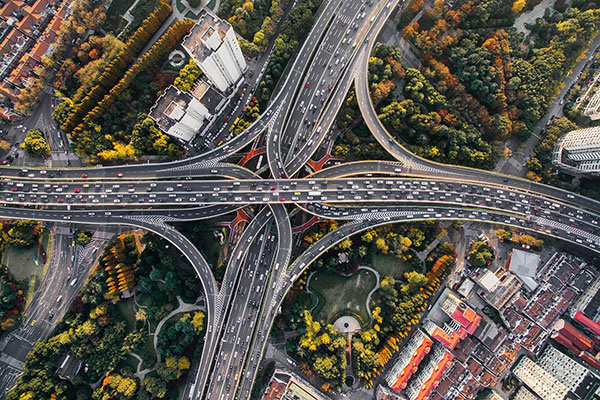
Infrastructure Boom in India: Key Projects Driving Economic Growth in 2026 India is undergoing one of the most significant infrastructure transformations in its history. In 2026, large-scale investments in highways, railways, smart cities, and urban development are not only reshaping the country’s physical landscape but also accelerating economic growth, job creation, and regional connectivity. This infrastructure boom is laying the foundation for India’s ambition to become a $5 trillion economy. 1. Highways: Expanding the Road Network India’s highway network continues to expand at an unprecedented pace under initiatives like the Bharatmala Pariyojana. The focus is on building economic corridors, expressways, and border roads to improve connectivity across states. Key projects such as the Delhi–Mumbai Expressway and the Ganga Expressway are game changers. These highways reduce travel time, lower logistics costs, and boost trade efficiency. Faster transportation networks are also attracting investments in manufacturing and logistics hubs along these corridors. 2. Railways: Modernization and High-Speed Growth Indian Railways is witnessing rapid modernization with a focus on speed, safety, and efficiency. Projects like the Mumbai–Ahmedabad High-Speed Rail are introducing high-speed rail technology to the country. Additionally, the expansion of dedicated freight corridors such as the Western Dedicated Freight Corridor is transforming cargo movement. These corridors separate freight and passenger traffic, ensuring faster delivery times and reducing congestion. Upgrades in railway stations, electrification, and the introduction of semi-high-speed trains like Vande Bharat Express are enhancing passenger experience while improving operational efficiency. 3. Smart Cities: Technology-Driven Urban Transformation The Smart Cities Mission is redefining urban living by integrating technology into city planning and governance. Cities are adopting smart solutions such as intelligent traffic management, digital surveillance, waste management systems, and energy-efficient infrastructure. Urban centers like Bhubaneswar, Pune, and Ahmedabad have emerged as leaders in implementing smart city projects. These developments are improving quality of life, enhancing sustainability, and attracting global investors. 4. Urban Development: Building Future-Ready Cities Urban development in India is being driven by schemes like the Pradhan Mantri Awas Yojana and AMRUT Mission. These initiatives aim to provide affordable housing, improve water supply, and upgrade urban infrastructure. Metro rail projects in cities such as Delhi, Mumbai, and Bangalore are easing urban congestion and promoting sustainable transport. At the same time, redevelopment of old city areas and the construction of new townships are making Indian cities more livable and efficient. Economic Impact of the Infrastructure Boom India’s infrastructure push is having a multiplier effect on the economy: Challenges to Address Despite rapid progress, challenges remain. Land acquisition issues, environmental concerns, and project delays can slow down development. Ensuring sustainable and inclusive growth will require careful planning and efficient execution. Conclusion India’s infrastructure boom in 2026 is more than just construction—it is a catalyst for economic transformation. With ambitious projects in highways, railways, smart cities, and urban development, the country is building a strong foundation for future growth. If executed effectively, this infrastructure revolution will not only improve connectivity and living standards but also position India as a global economic powerhouse.

Infrastructure Boom in India: Key Projects Driving Economic Growth in 2026 Read Post »

India’s Digital Transformation: How Technology is Reshaping Governance and Daily Life
National

India’s Digital Transformation: How Technology is Reshaping Governance and Daily Life

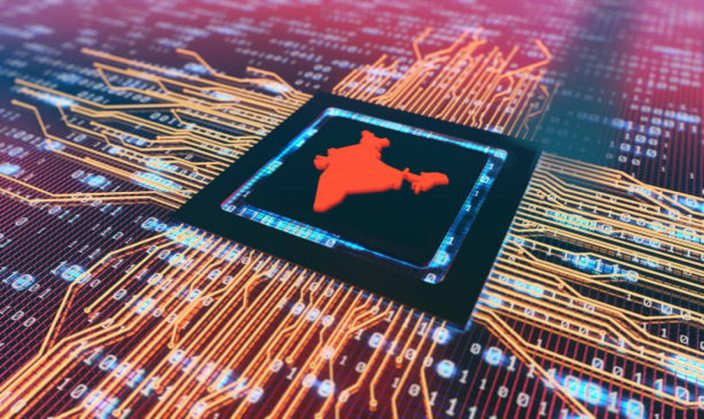
India’s Digital Transformation: How Technology is Reshaping Governance and Daily Life India is undergoing one of the most significant digital transformations in the world today. From seamless online payments to digitized government services, technology is redefining how citizens interact with institutions and manage their daily lives. Initiatives like Digital India, the rapid growth of Unified Payments Interface (UPI), and the adoption of artificial intelligence are pushing the country toward a more connected, efficient, and inclusive future. The Vision of Digital India Launched in 2015, Digital India aims to transform India into a digitally empowered society and knowledge economy. The program focuses on three core areas: From expanding broadband connectivity in rural areas to promoting digital literacy, the initiative has laid the foundation for a technology-driven ecosystem that reaches even the most remote corners of the country. UPI: Revolutionizing Digital Payments One of the most visible successes of India’s digital journey is the explosive growth of Unified Payments Interface. Developed by the National Payments Corporation of India, UPI has transformed the way Indians transact. Today, millions of people—from street vendors to large businesses—use apps like Google Pay, PhonePe, and Paytm to send and receive money instantly. Key impacts of UPI: UPI’s simplicity, speed, and zero-cost model have made it a global benchmark for real-time payment systems. E-Governance: Bringing Services to Citizens’ Fingertips E-governance is another pillar of India’s digital transformation. Government services that once required long queues and paperwork are now available online. Platforms like DigiLocker and UMANG allow citizens to access documents, apply for services, and track applications from their smartphones. Benefits of e-governance: From filing taxes to applying for passports, digital platforms are simplifying governance and making it more citizen-centric. AI Adoption: The Next Frontier India is also embracing artificial intelligence to enhance governance and economic growth. Organizations like NITI Aayog are actively promoting AI through national strategies and innovation programs. AI is being used in: As AI adoption grows, it is expected to improve efficiency, reduce costs, and unlock new opportunities across sectors. Impact on Daily Life Digital transformation is not just a policy shift—it’s a lifestyle change. For the average Indian citizen: Even in smaller towns and villages, smartphones and internet connectivity are enabling people to participate in the digital economy like never before. Challenges Ahead Despite remarkable progress, challenges remain: Addressing these issues will be crucial to ensure that the benefits of digital transformation are inclusive and sustainable. The Road Ahead India’s digital journey is far from complete. With continued investments in infrastructure, innovation, and policy support, the country is well-positioned to become a global leader in digital governance and technology adoption. As initiatives like Digital India continue to evolve, the integration of technologies like AI, blockchain, and IoT will further reshape governance and everyday life. Conclusion India’s digital transformation is a powerful example of how technology can drive large-scale change. By bridging gaps between citizens and services, empowering businesses, and fostering innovation, the country is building a future where digital access is not a luxury—but a fundamental right. The transformation is already visible—and the best is yet to come.

India’s Digital Transformation: How Technology is Reshaping Governance and Daily Life Read Post »

Scroll to Top