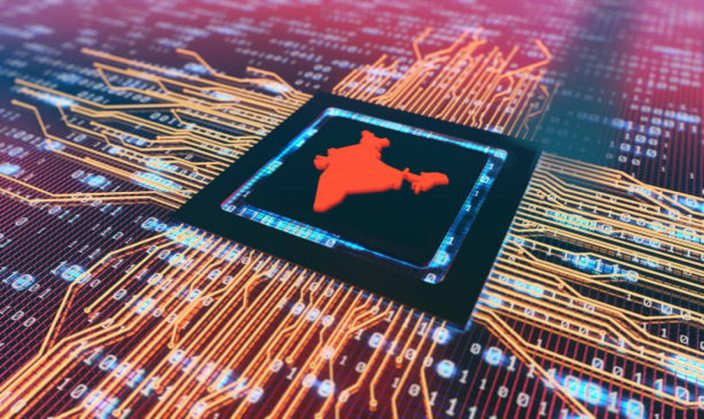
Infrastructure Boom in India: Key Projects Driving Economic Growth in 2026
India is undergoing one of the most significant infrastructure transformations in its history. In 2026, large-scale investments in highways, railways, smart cities, and urban development are not only reshaping the country’s physical landscape but also accelerating economic growth, job creation, and regional connectivity. This infrastructure boom is laying the foundation for India’s ambition to become a $5 trillion economy.
1. Highways: Expanding the Road Network
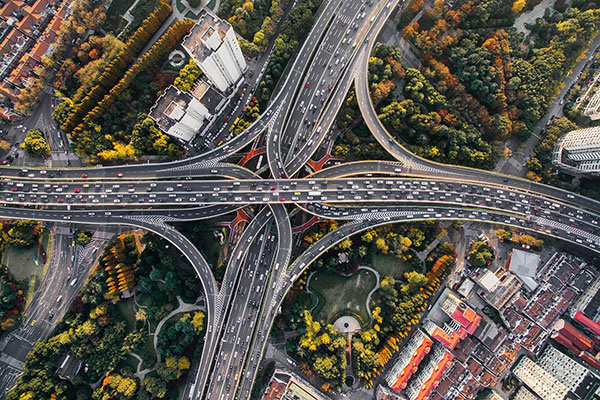
India’s highway network continues to expand at an unprecedented pace under initiatives like the Bharatmala Pariyojana. The focus is on building economic corridors, expressways, and border roads to improve connectivity across states.
Key projects such as the Delhi–Mumbai Expressway and the Ganga Expressway are game changers. These highways reduce travel time, lower logistics costs, and boost trade efficiency. Faster transportation networks are also attracting investments in manufacturing and logistics hubs along these corridors.
2. Railways: Modernization and High-Speed Growth
Indian Railways is witnessing rapid modernization with a focus on speed, safety, and efficiency. Projects like the Mumbai–Ahmedabad High-Speed Rail are introducing high-speed rail technology to the country.
Additionally, the expansion of dedicated freight corridors such as the Western Dedicated Freight Corridor is transforming cargo movement. These corridors separate freight and passenger traffic, ensuring faster delivery times and reducing congestion.
Upgrades in railway stations, electrification, and the introduction of semi-high-speed trains like Vande Bharat Express are enhancing passenger experience while improving operational efficiency.
3. Smart Cities: Technology-Driven Urban Transformation
The Smart Cities Mission is redefining urban living by integrating technology into city planning and governance. Cities are adopting smart solutions such as intelligent traffic management, digital surveillance, waste management systems, and energy-efficient infrastructure.
Urban centers like Bhubaneswar, Pune, and Ahmedabad have emerged as leaders in implementing smart city projects. These developments are improving quality of life, enhancing sustainability, and attracting global investors.
4. Urban Development: Building Future-Ready Cities
Urban development in India is being driven by schemes like the Pradhan Mantri Awas Yojana and AMRUT Mission. These initiatives aim to provide affordable housing, improve water supply, and upgrade urban infrastructure.
Metro rail projects in cities such as Delhi, Mumbai, and Bangalore are easing urban congestion and promoting sustainable transport. At the same time, redevelopment of old city areas and the construction of new townships are making Indian cities more livable and efficient.
Economic Impact of the Infrastructure Boom
India’s infrastructure push is having a multiplier effect on the economy:
- Job Creation: Large projects generate employment across construction, engineering, and allied sectors.
- Boost to Industries: Steel, cement, and real estate industries are seeing increased demand.
- Improved Logistics: Reduced travel time and costs enhance competitiveness for businesses.
- Foreign Investment: Better infrastructure attracts global companies and investors.
Challenges to Address
Despite rapid progress, challenges remain. Land acquisition issues, environmental concerns, and project delays can slow down development. Ensuring sustainable and inclusive growth will require careful planning and efficient execution.
Conclusion
India’s infrastructure boom in 2026 is more than just construction—it is a catalyst for economic transformation. With ambitious projects in highways, railways, smart cities, and urban development, the country is building a strong foundation for future growth. If executed effectively, this infrastructure revolution will not only improve connectivity and living standards but also position India as a global economic powerhouse.