Rise of OTT Platforms in India: How Netflix and Amazon Prime Video Are Changing Entertainment
Over the past decade, India’s entertainment industry has undergone a dramatic transformation. The rise of Over-the-Top (OTT) platforms like Netflix and Amazon Prime Video has reshaped how audiences consume content, challenging the long-standing dominance of traditional cinema and television. What was once a theatre-first culture is now rapidly evolving into a digital-first ecosystem.
The Shift from Big Screens to Personal Screens
For decades, cinema halls were the primary medium for entertainment in India. However, the increasing penetration of smartphones, affordable internet (especially after the entry of Reliance Jio), and the convenience of on-demand viewing have fueled the growth of OTT platforms. Today, viewers can watch movies, web series, and documentaries anytime, anywhere—whether on a phone, tablet, or smart TV.
The COVID-19 pandemic accelerated this shift significantly. With theatres shut down, OTT platforms became the go-to source for entertainment, and even major film releases skipped theatrical runs to premiere online.
Changing Content Landscape
OTT platforms have revolutionized content creation by breaking away from traditional formulas. Unlike mainstream Bollywood films that often cater to mass audiences, OTT content is more diverse, experimental, and bold.
Shows like Sacred Games, Mirzapur, and The Family Man have demonstrated that audiences are eager for fresh storytelling, complex characters, and realistic narratives. These platforms have also provided opportunities for new actors, writers, and directors who may not have found space in conventional cinema.
Moreover, regional content has gained massive popularity. From Tamil and Telugu thrillers to Bengali dramas and Malayalam cinema, OTT platforms are bridging linguistic barriers and bringing regional stories to a national—and even global—audience.
Impact on Traditional Cinema
The rise of OTT has forced the film industry to rethink its strategies. While blockbuster films still draw crowds to theatres, mid-budget and experimental films increasingly prefer digital releases due to lower risk and wider reach.
Cinema halls are now focusing more on big-budget spectacles and franchise films to attract audiences. At the same time, filmmakers are exploring hybrid release models, combining theatrical and OTT premieres.
Democratization of Entertainment
One of the most significant impacts of OTT platforms is the democratization of content. Viewers are no longer limited by television schedules or geographic boundaries. They have the power to choose what to watch and when to watch it.
Additionally, data-driven algorithms help platforms recommend personalized content, enhancing user experience and engagement. This has created a more interactive and viewer-centric entertainment ecosystem.
Challenges and Concerns
Despite their rapid growth, OTT platforms face several challenges. Content regulation has become a major issue, with debates around censorship, cultural sensitivity, and freedom of expression. The Indian government has introduced guidelines to monitor digital content, which continues to evolve.
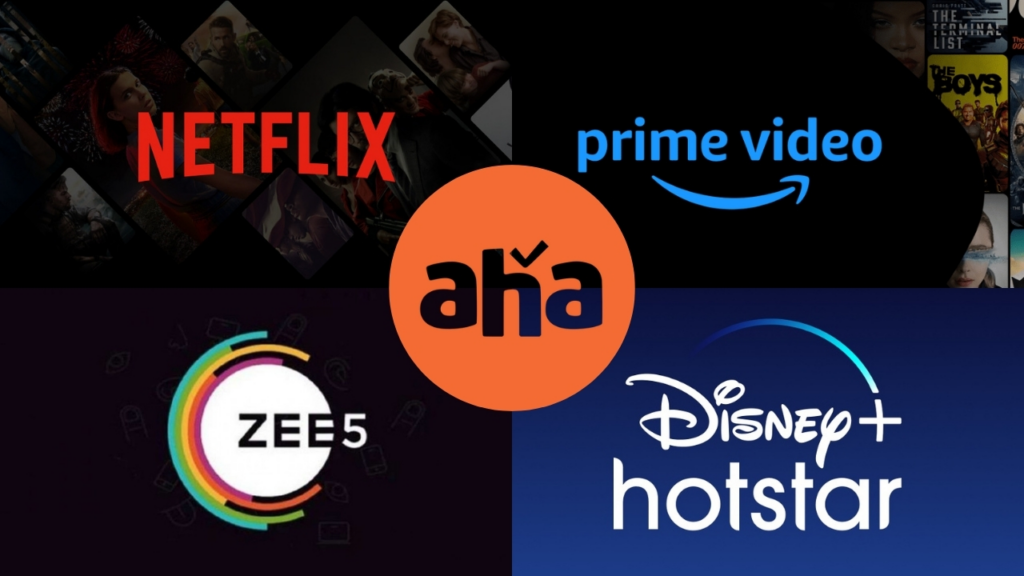
Another concern is the increasing competition among platforms. With multiple players entering the market, subscription fatigue is becoming real for consumers, who must choose between several paid services.
The Future of Entertainment in India
The future of India’s entertainment industry lies in a balanced coexistence of theatres and OTT platforms. While cinema halls will continue to offer immersive experiences for large-scale productions, OTT platforms will dominate personalized and experimental content.
As technology advances—with the growth of 5G, smart devices, and AI-driven recommendations—the influence of OTT platforms is only expected to grow further.
Conclusion
The rise of Netflix and Amazon Prime Video has fundamentally changed the way India consumes entertainment. By offering diverse content, convenience, and creative freedom, these platforms have not only disrupted traditional cinema but also opened new avenues for storytelling. In this evolving landscape, the audience is the ultimate winner—empowered with more choices than ever before.