Entertainment

The Power of Celebrity Culture in India: Influence of Stars Like Shah Rukh Khan and
Entertainment

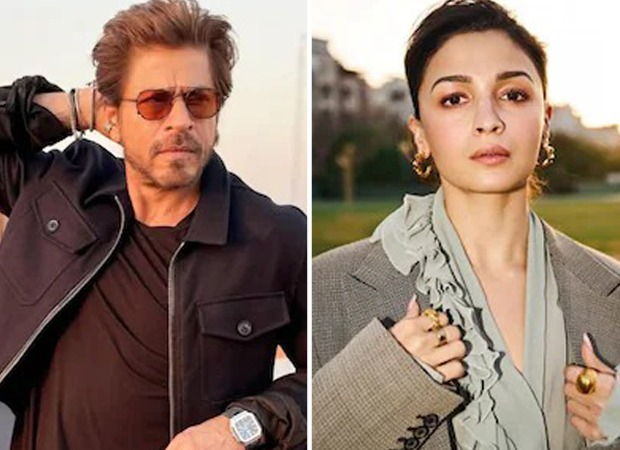
The Power of Celebrity Culture in India: Influence of Stars Like Shah Rukh Khan and Alia Bhatt

The Power of Celebrity Culture in India: Influence of Stars Like Shah Rukh Khan and Alia Bhatt Celebrity culture in India has evolved into a powerful force that shapes not only entertainment but also consumer behavior, social trends, and even public opinion. With the rapid growth of social media and digital platforms, the influence of celebrities has become more direct, immediate, and far-reaching than ever before. Icons like Shah Rukh Khan and Alia Bhatt exemplify how stardom extends beyond cinema into everyday life. The Rise of Celebrity Influence in India India’s fascination with film stars dates back decades, but the nature of that admiration has transformed. Earlier, celebrities were admired from a distance through films and occasional interviews. Today, platforms like Instagram, X (formerly Twitter), and YouTube have brought fans closer to their favorite stars. This accessibility has strengthened emotional connections, making celebrities more relatable and influential. Shah Rukh Khan, often referred to as the “King of Bollywood,” has built a legacy not just through his films but also through his public persona—charming, articulate, and aspirational. Similarly, Alia Bhatt represents the modern Indian celebrity: young, versatile, and deeply connected with her audience through social media and lifestyle branding. Shaping Trends and Lifestyle Choices Celebrities in India play a crucial role in setting trends across fashion, fitness, and lifestyle. What they wear, promote, or even casually post online can quickly become a nationwide trend. From airport looks to wedding outfits, celebrity fashion is closely followed and often replicated. Alia Bhatt’s minimalist fashion choices and skincare routines, for example, influence millions of young Indians. Meanwhile, Shah Rukh Khan’s timeless style and charisma continue to inspire generations, proving that celebrity influence transcends age groups. Fitness trends are another area where celebrity culture has a strong impact. When celebrities share their workout routines or diet plans, fans often adopt similar practices, driving the popularity of gyms, yoga, and wellness industries. The Business of Celebrity Branding Celebrity endorsements are a cornerstone of marketing in India. Brands invest heavily in associating with well-known faces to build trust and visibility. The logic is simple: consumers are more likely to trust a product endorsed by someone they admire. Shah Rukh Khan has been the face of numerous global and Indian brands, ranging from luxury products to everyday consumer goods. His credibility and widespread appeal make him a valuable brand ambassador. On the other hand, Alia Bhatt’s association with youth-centric and sustainable brands reflects changing consumer preferences and the growing importance of authenticity. In recent years, celebrities have also become entrepreneurs. Many launch their own brands in fashion, beauty, and wellness, leveraging their personal image to build successful businesses. This shift from endorsement to ownership highlights the expanding role of celebrities in India’s economy. Influencing Public Opinion and Social Causes Beyond entertainment and commerce, celebrities in India have a significant impact on public discourse. Their opinions on social, political, and environmental issues can influence millions of followers. Shah Rukh Khan has often spoken about unity, tolerance, and education, shaping conversations around these topics. Alia Bhatt has been involved in initiatives related to sustainability and animal welfare, encouraging fans to adopt more conscious lifestyles. However, this influence comes with responsibility. Celebrities are often scrutinized for their statements and actions, as their words can shape public perception and behavior. In some cases, their involvement can amplify important causes; in others, it can spark controversy. The Role of Social Media Social media has amplified the reach and immediacy of celebrity culture. A single post from a major star can reach millions within minutes, making platforms like Instagram and X powerful tools for influence. Celebrities now curate their personal brands online, sharing glimpses of their lives, promoting products, and engaging with fans. This direct communication builds trust and loyalty, making their influence more personal and impactful. At the same time, social media has also democratized fame. Influencers and digital creators now compete with traditional celebrities, creating a dynamic and evolving ecosystem of influence. Challenges and Criticism While celebrity culture has many benefits, it also faces criticism. Over-reliance on celebrity endorsements can overshadow product quality, and blind admiration can sometimes lead to unrealistic expectations among fans. There is also the issue of privacy and constant public scrutiny. Celebrities often face intense pressure to maintain their image, which can impact their personal lives and mental well-being. Conclusion The power of celebrity culture in India is undeniable. Figures like Shah Rukh Khan and Alia Bhatt are not just entertainers—they are trendsetters, brand builders, and influential voices in society. As digital platforms continue to evolve, their impact will only grow stronger. However, with great influence comes great responsibility. Both celebrities and audiences must navigate this dynamic space thoughtfully, ensuring that the power of celebrity culture is used to inspire, inform, and create positive change.
The Power of Celebrity Culture in India: Influence of Stars Like Shah Rukh Khan and Alia Bhatt Read Post »

Rise of OTT Platforms in India: How Netflix and Amazon Prime Video Are Changing Entertainment
Entertainment

Rise of OTT Platforms in India: How Netflix and Amazon Prime Video Are Changing Entertainment

Rise of OTT Platforms in India: How Netflix and Amazon Prime Video Are Changing Entertainment Over the past decade, India’s entertainment industry has undergone a dramatic transformation. The rise of Over-the-Top (OTT) platforms like Netflix and Amazon Prime Video has reshaped how audiences consume content, challenging the long-standing dominance of traditional cinema and television. What was once a theatre-first culture is now rapidly evolving into a digital-first ecosystem. The Shift from Big Screens to Personal Screens For decades, cinema halls were the primary medium for entertainment in India. However, the increasing penetration of smartphones, affordable internet (especially after the entry of Reliance Jio), and the convenience of on-demand viewing have fueled the growth of OTT platforms. Today, viewers can watch movies, web series, and documentaries anytime, anywhere—whether on a phone, tablet, or smart TV. The COVID-19 pandemic accelerated this shift significantly. With theatres shut down, OTT platforms became the go-to source for entertainment, and even major film releases skipped theatrical runs to premiere online. Changing Content Landscape OTT platforms have revolutionized content creation by breaking away from traditional formulas. Unlike mainstream Bollywood films that often cater to mass audiences, OTT content is more diverse, experimental, and bold. Shows like Sacred Games, Mirzapur, and The Family Man have demonstrated that audiences are eager for fresh storytelling, complex characters, and realistic narratives. These platforms have also provided opportunities for new actors, writers, and directors who may not have found space in conventional cinema. Moreover, regional content has gained massive popularity. From Tamil and Telugu thrillers to Bengali dramas and Malayalam cinema, OTT platforms are bridging linguistic barriers and bringing regional stories to a national—and even global—audience. Impact on Traditional Cinema The rise of OTT has forced the film industry to rethink its strategies. While blockbuster films still draw crowds to theatres, mid-budget and experimental films increasingly prefer digital releases due to lower risk and wider reach. Cinema halls are now focusing more on big-budget spectacles and franchise films to attract audiences. At the same time, filmmakers are exploring hybrid release models, combining theatrical and OTT premieres. Democratization of Entertainment One of the most significant impacts of OTT platforms is the democratization of content. Viewers are no longer limited by television schedules or geographic boundaries. They have the power to choose what to watch and when to watch it. Additionally, data-driven algorithms help platforms recommend personalized content, enhancing user experience and engagement. This has created a more interactive and viewer-centric entertainment ecosystem. Challenges and Concerns Despite their rapid growth, OTT platforms face several challenges. Content regulation has become a major issue, with debates around censorship, cultural sensitivity, and freedom of expression. The Indian government has introduced guidelines to monitor digital content, which continues to evolve. Another concern is the increasing competition among platforms. With multiple players entering the market, subscription fatigue is becoming real for consumers, who must choose between several paid services. The Future of Entertainment in India The future of India’s entertainment industry lies in a balanced coexistence of theatres and OTT platforms. While cinema halls will continue to offer immersive experiences for large-scale productions, OTT platforms will dominate personalized and experimental content. As technology advances—with the growth of 5G, smart devices, and AI-driven recommendations—the influence of OTT platforms is only expected to grow further. Conclusion The rise of Netflix and Amazon Prime Video has fundamentally changed the way India consumes entertainment. By offering diverse content, convenience, and creative freedom, these platforms have not only disrupted traditional cinema but also opened new avenues for storytelling. In this evolving landscape, the audience is the ultimate winner—empowered with more choices than ever before.

Rise of OTT Platforms in India: How Netflix and Amazon Prime Video Are Changing Entertainment Read Post »

The Evolution of Bollywood: From Classic Cinema to Pan-India Blockbusters
Entertainment

The Evolution of Bollywood: From Classic Cinema to Pan-India Blockbusters

The Evolution of Bollywood: From Classic Cinema to Pan-India Blockbusters The journey of Bollywood is nothing short of remarkable. From black-and-white classics to high-budget pan-India spectacles, the industry has continuously evolved to reflect changing audience preferences, cultural shifts, and technological advancements. The Golden Era: 1950s–1970s Often referred to as Bollywood’s golden age, this period produced timeless films that combined strong storytelling with music and social themes. Movies like Mother India and Mughal-e-Azam showcased grand narratives rooted in Indian culture and history. Actors such as Raj Kapoor and Dilip Kumar became icons, while music played a central role in storytelling. The Masala Era: 1970s–1990s The 1970s introduced the “masala film,” blending action, romance, drama, and comedy into one entertaining package. The rise of the “angry young man” image, led by Amitabh Bachchan, reflected societal frustrations of the time. Films like Sholay became cultural phenomena. During the 1990s, Bollywood shifted toward romantic family dramas such as Dilwale Dulhania Le Jayenge, appealing to both domestic and overseas audiences. Globalization and Multiplex Era: 2000s With economic liberalization and the rise of multiplexes, Bollywood began experimenting with diverse genres and storytelling styles. Filmmakers started targeting urban audiences with more realistic narratives. Movies like Lagaan and Dil Chahta Hai marked a shift toward fresh storytelling and modern themes. At the same time, international markets became increasingly important, expanding Bollywood’s global reach. The Digital Revolution and Content-Driven Cinema The 2010s brought a digital transformation. Streaming platforms like Netflix and Amazon Prime Video changed how audiences consumed content. This era saw the rise of content-driven films focusing on strong scripts rather than star power. Movies such as Article 15 and Andhadhun proved that compelling storytelling could drive success. The Rise of Pan-India Blockbusters In recent years, Bollywood has faced strong competition from regional cinema, especially from the South Indian film industries. Films like Baahubali: The Beginning and RRR redefined the concept of “pan-India” cinema, appealing to audiences across linguistic and regional boundaries. Bollywood responded by investing in large-scale productions and collaborations to create visually stunning, universally appealing films. Changing Audience Preferences Today’s audiences are more diverse and informed than ever. They demand originality, authenticity, and high-quality production. Social media and online reviews have also made it easier for viewers to influence a film’s success or failure within days of release. The Future of Bollywood Looking ahead, Bollywood is likely to become even more experimental and globally connected. Advances in technology, such as visual effects and AI-driven filmmaking, will further enhance storytelling. At the same time, collaboration between regional industries may lead to more inclusive and diverse narratives. Conclusion From the soulful classics of the past to today’s grand pan-India spectacles, Bollywood’s evolution reflects India’s changing cultural and social landscape. Its ability to adapt to new trends while retaining its core essence ensures that it will continue to captivate audiences for generations to come.

The Evolution of Bollywood: From Classic Cinema to Pan-India Blockbusters Read Post »

Scroll to Top