The Rise of Cricket Leagues in India: Beyond the Indian Premier League
The Rise of Cricket Leagues in India: Beyond the Indian Premier League
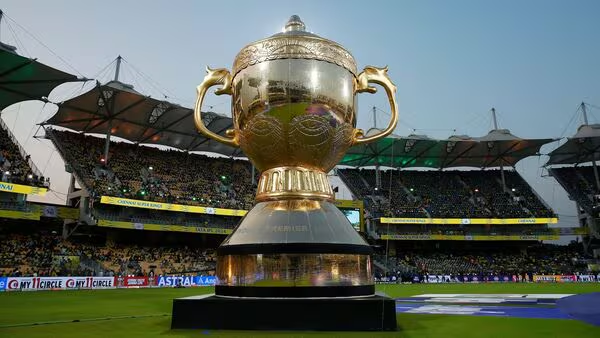
Cricket in India has undergone a massive transformation over the past two decades. While the Indian Premier League (IPL) remains the most glamorous and commercially successful tournament, a new wave of domestic cricket leagues is quietly reshaping the country’s sporting ecosystem. These leagues are not just entertainment platforms—they are becoming crucial engines for grassroots talent development and sports economics.
Beyond the Shadow of the IPL
Since its launch in 2008, the IPL revolutionized cricket with its franchise-based model, global player participation, and massive broadcasting deals. However, its success also inspired state-level and regional leagues to emerge, creating more opportunities for players outside the national spotlight.
Leagues such as the Tamil Nadu Premier League (TNPL), Karnataka Premier League (KPL), and Saurashtra Premier League are now playing a pivotal role in decentralizing cricket talent across India. These competitions bring the game closer to local audiences while giving aspiring cricketers a professional platform.
Grassroots Talent Gets a Boost
One of the biggest advantages of these domestic leagues is their focus on local talent. Unlike the IPL, where international stars often dominate headlines, regional leagues provide young and relatively unknown players with a chance to shine.
Players who perform well in tournaments like the Syed Mushtaq Ali Trophy often get picked for these leagues, creating a strong pipeline for talent progression. Many IPL stars today, including emerging Indian cricketers, were first noticed through these smaller platforms.
This structured pathway—from district-level cricket to state leagues and eventually national tournaments—has significantly improved talent scouting. It ensures that even players from remote regions have a realistic shot at professional cricket.
Economic Impact on Local Markets
The rise of domestic cricket leagues is also transforming local economies. These tournaments generate employment opportunities in areas such as event management, broadcasting, marketing, and hospitality. Stadiums that were once underutilized now host packed matches, boosting tourism and local businesses.
Regional sponsors and advertisers are increasingly investing in these leagues, recognizing their growing popularity. While the IPL attracts global brands, domestic leagues provide a platform for local businesses to gain visibility at a relatively lower cost.
Moreover, digital streaming platforms have expanded the reach of these leagues, making them accessible to a wider audience. This has opened up new revenue streams and increased the commercial viability of regional cricket.
Strengthening India’s Cricketing Depth
India’s dominance in world cricket is not just due to its top players but also its deep talent pool. Domestic leagues are playing a critical role in strengthening this depth.
The Board of Control for Cricket in India (BCCI) has also supported the growth of domestic tournaments, ensuring better infrastructure, coaching, and exposure for players. As a result, India now has a strong bench strength across formats, capable of competing at the highest level.
These leagues also help players adapt to different match conditions, pressure situations, and team dynamics—skills that are essential for international cricket.
Challenges and the Road Ahead
Despite their growth, domestic cricket leagues face several challenges. Limited funding, inconsistent scheduling, and lower media coverage compared to the IPL can hinder their development. Additionally, maintaining high-quality infrastructure and attracting audiences remains a concern in some regions.
However, with increasing digital penetration and growing interest in cricket, the future looks promising. Strategic investments, better marketing, and stronger partnerships can help these leagues reach their full potential.
Conclusion
The story of Indian cricket is no longer just about the IPL. The rise of domestic leagues marks a significant shift towards a more inclusive and sustainable cricketing ecosystem. By nurturing grassroots talent and boosting local economies, these leagues are shaping the future of the sport in India.
As they continue to grow, these competitions will not only produce the next generation of cricket stars but also ensure that the game thrives beyond the boundaries of major metropolitan cities.Cricket in India has undergone a massive transformation over the past two decades. While the Indian Premier League (IPL) remains the most glamorous and commercially successful tournament, a new wave of domestic cricket leagues is quietly reshaping the country’s sporting ecosystem. These leagues are not just entertainment platforms—they are becoming crucial engines for grassroots talent development and sports economics.
Beyond the Shadow of the IPL
Since its launch in 2008, the IPL revolutionized cricket with its franchise-based model, global player participation, and massive broadcasting deals. However, its success also inspired state-level and regional leagues to emerge, creating more opportunities for players outside the national spotlight.
Leagues such as the Tamil Nadu Premier League (TNPL), Karnataka Premier League (KPL), and Saurashtra Premier League are now playing a pivotal role in decentralizing cricket talent across India. These competitions bring the game closer to local audiences while giving aspiring cricketers a professional platform.
Grassroots Talent Gets a Boost
One of the biggest advantages of these domestic leagues is their focus on local talent. Unlike the IPL, where international stars often dominate headlines, regional leagues provide young and relatively unknown players with a chance to shine.
Players who perform well in tournaments like the Syed Mushtaq Ali Trophy often get picked for these leagues, creating a strong pipeline for talent progression. Many IPL stars today, including emerging Indian cricketers, were first noticed through these smaller platforms.
This structured pathway—from district-level cricket to state leagues and eventually national tournaments—has significantly improved talent scouting. It ensures that even players from remote regions have a realistic shot at professional cricket.
Economic Impact on Local Markets
The rise of domestic cricket leagues is also transforming local economies. These tournaments generate employment opportunities in areas such as event management, broadcasting, marketing, and hospitality. Stadiums that were once underutilized now host packed matches, boosting tourism and local businesses.
Regional sponsors and advertisers are increasingly investing in these leagues, recognizing their growing popularity. While the IPL attracts global brands, domestic leagues provide a platform for local businesses to gain visibility at a relatively lower cost.
Moreover, digital streaming platforms have expanded the reach of these leagues, making them accessible to a wider audience. This has opened up new revenue streams and increased the commercial viability of regional cricket.
Strengthening India’s Cricketing Depth
India’s dominance in world cricket is not just due to its top players but also its deep talent pool. Domestic leagues are playing a critical role in strengthening this depth.
The Board of Control for Cricket in India (BCCI) has also supported the growth of domestic tournaments, ensuring better infrastructure, coaching, and exposure for players. As a result, India now has a strong bench strength across formats, capable of competing at the highest level.
These leagues also help players adapt to different match conditions, pressure situations, and team dynamics—skills that are essential for international cricket.
Challenges and the Road Ahead
Despite their growth, domestic cricket leagues face several challenges. Limited funding, inconsistent scheduling, and lower media coverage compared to the IPL can hinder their development. Additionally, maintaining high-quality infrastructure and attracting audiences remains a concern in some regions.
However, with increasing digital penetration and growing interest in cricket, the future looks promising. Strategic investments, better marketing, and stronger partnerships can help these leagues reach their full potential.
Conclusion
The story of Indian cricket is no longer just about the IPL. The rise of domestic leagues marks a significant shift towards a more inclusive and sustainable cricketing ecosystem. By nurturing grassroots talent and boosting local economies, these leagues are shaping the future of the sport in India.
As they continue to grow, these competitions will not only produce the next generation of cricket stars but also ensure that the game thrives beyond the boundaries of major metropolitan cities.