The Growing Popularity of Football in India: Can the Indian Super League Compete Globally?
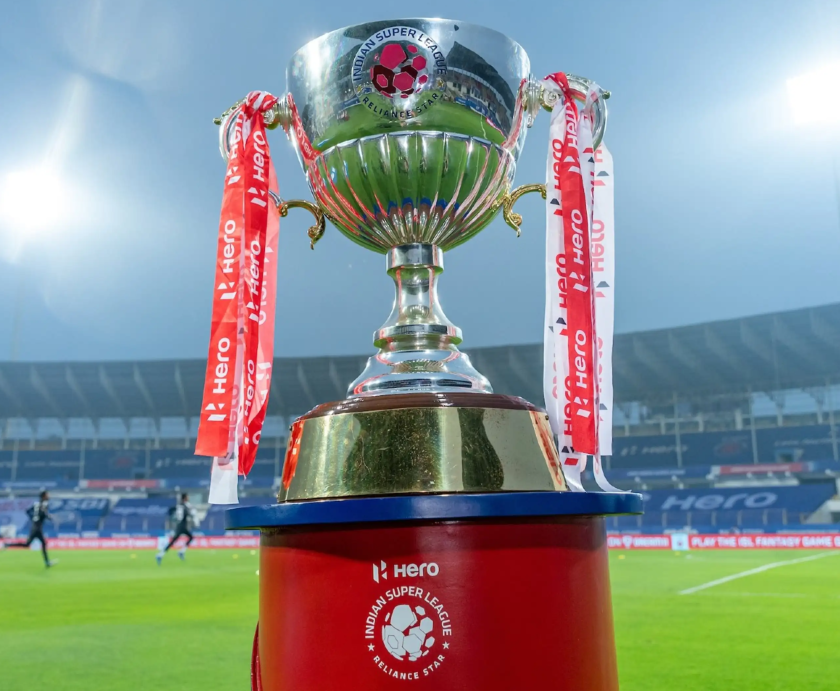
The Growing Popularity of Football in India: Can the Indian Super League Compete Globally? Football in India has undergone a remarkable transformation over the past decade. Once overshadowed by cricket’s massive dominance, the sport is now gaining steady momentum, driven by grassroots development, international exposure, and the rise of the Indian Super League (ISL). The big question, however, remains—can India’s top football league compete on the global stage? The Rise of Football Culture in India Football has always had pockets of passionate fan bases in regions like West Bengal, Goa, and Kerala. Clubs such as Mohun Bagan Super Giant and East Bengal FC have rich histories dating back decades. In recent years, the sport has expanded beyond these traditional strongholds. The influence of global leagues like the English Premier League and international stars has inspired a younger generation of Indian fans. With easy access to live matches via digital platforms, football has become a mainstream sport among urban youth. The Emergence of the Indian Super League Launched in 2014, the ISL revolutionized Indian football by introducing a franchise-based model similar to the Indian Premier League. With better marketing, celebrity team owners, and international players, the league quickly captured attention. Clubs like Kerala Blasters FC and Mumbai City FC have built strong fan bases, regularly attracting large crowds and high TV viewership. The ISL has also improved professionalism in Indian football—better stadiums, coaching standards, and youth academies are gradually raising the quality of the game. Key Challenges in Competing Globally Despite its rapid growth, the ISL still faces significant hurdles before it can match global football leagues: Signs of Progress There are encouraging signs that Indian football is moving in the right direction. The national team has improved its rankings over the years, and players like Sunil Chhetri have gained international recognition. Additionally, collaborations with foreign coaches and participation in continental tournaments are helping Indian clubs and players gain valuable experience. The Role of Youth and Grassroots Programs Initiatives by the All India Football Federation and private academies are focusing on identifying and nurturing young talent. Programs at the school and district levels are essential for building a strong football foundation. If sustained, these efforts could produce a new generation of technically skilled and physically competitive players. Can the ISL Compete Globally? In its current form, the ISL is still far from competing with elite leagues like the English Premier League or Spain’s La Liga. However, that doesn’t mean the goal is unrealistic. The ISL’s real competition, at least in the short term, lies with emerging Asian leagues such as Japan’s J-League or Australia’s A-League. With consistent investment, better youth systems, and increased international exposure, the ISL could become one of Asia’s top football leagues. The Road Ahead For Indian football to truly rise, a long-term vision is essential. This includes: Conclusion Football in India is no longer a niche sport—it is a growing movement. The Indian Super League has played a crucial role in this transformation, bringing visibility, professionalism, and excitement to the game. While global competition remains a distant goal, the progress made so far is undeniable. With the right investments and long-term planning, India has the potential to become a significant force in world football.